Football is not only about Premier League stadiums, television broadcasts, or famous players. For many people across the UK and Europe, the real side of football begins after work, under the floodlights, when the group chat finally reaches ten players and somebody writes, “Right, we’re on.”
That is where 5-a-side football culture begins.
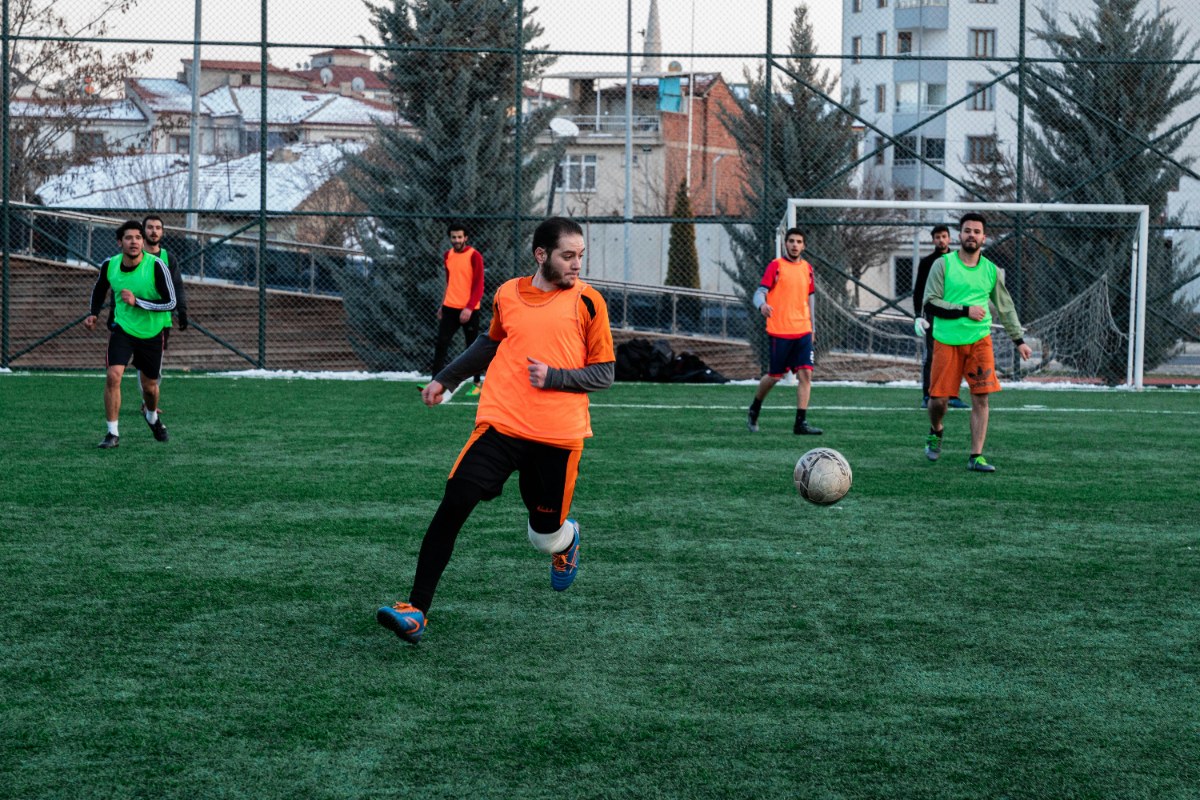
For some people, it is a regular Wednesday night at Powerleague. For others, it is a Sunday morning match with mates before going for a coffee or a pint afterwards. Whatever the routine is, these games quickly become part of normal life.
Everyone knows the same characters. There is always the mate who arrives late every single week. There is always somebody who refuses to play in goal. And there is always one player who still talks about the goal they scored three months ago as if it happened yesterday.
That is what makes 5-a-side football different. Winning matters, of course, but it is never the only reason people play. These matches are about competition, routine, and spending time with friends. That is why the culture around 5-a-side football is just as important as the match itself.
For some groups, sorting out who plays where before kick-off has become part of that routine too.
What Makes 5-a-Side Football Culture So Different?
The culture of 5-a-side football is not only about the 60 minutes on the pitch. It starts long before kick-off.
Usually it begins with a message in the WhatsApp group:
“Who’s in for Thursday?”
From that point, everything becomes familiar. One person says they are definitely coming and cancels an hour later. Another says they will be “five minutes late”, even though everybody knows that really means fifteen. Then someone realises there are only nine players and starts desperately messaging people for a tenth.
This happens every week, but somehow it never gets boring.
Over time, these matches become much more than casual football games. They become a routine. The same people play at the same time every week, often on the same pitch, with the same teams and the same rivalries.
For many players, 5-a-side football feels more personal than watching professional football. You are not sitting in the stands. You are part of the match. You are the one making the pass, missing the open goal, or celebrating a last-minute winner.
Why 5-a-Side Football Is So Popular
One of the biggest reasons 5-a-side football is so popular is because it is simple to organise.
You do not need a full squad, a large pitch, or expensive equipment. All you need is a few mates, a ball, and an hour in the evening.
That makes it perfect for modern life. People can play after work, after university, or at the weekend without needing to commit to a full Sunday League season.
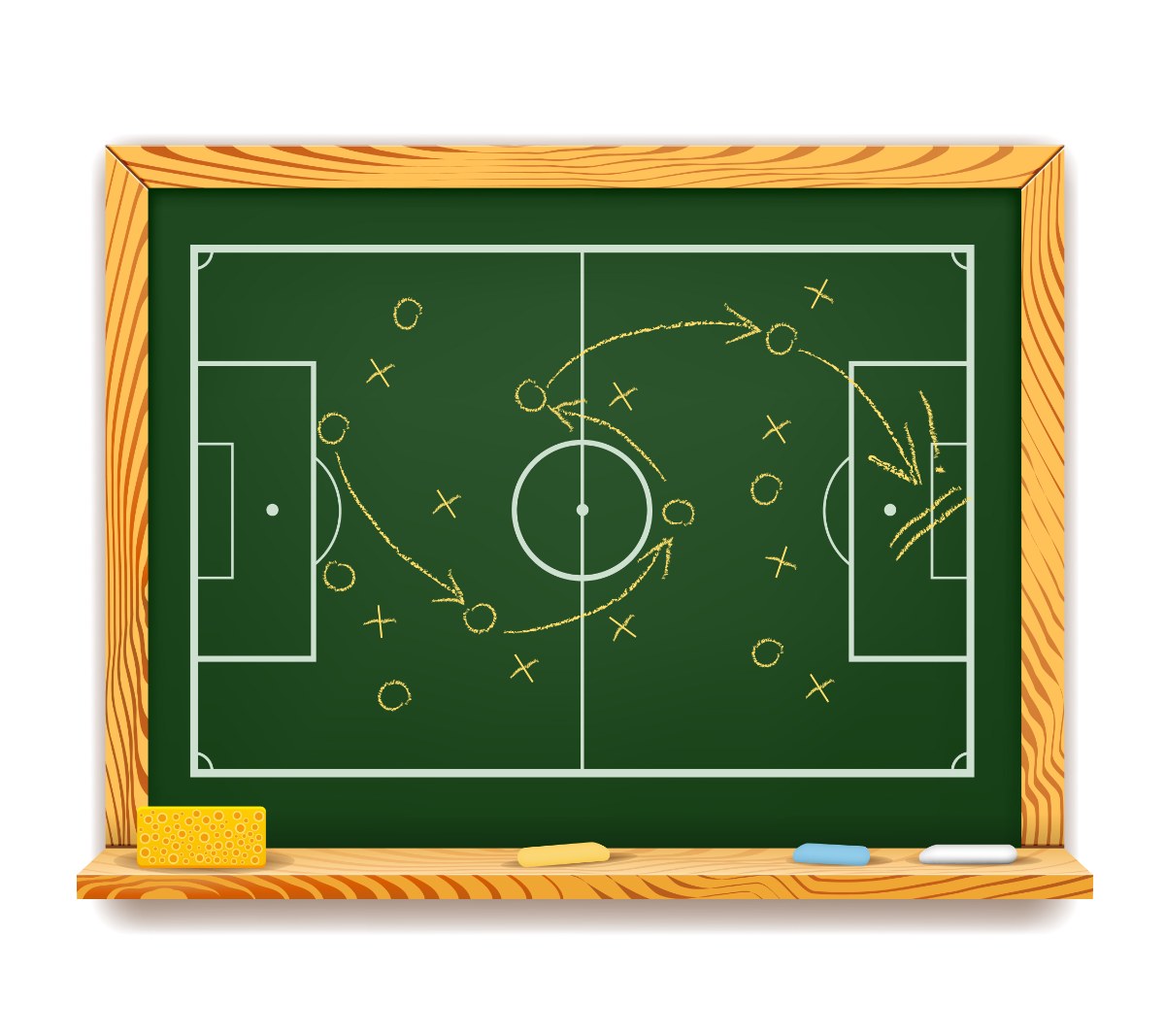
Some groups also like to settle positions before kick-off, for example by sending a pitch image of the lineup to the group chat.
It is also much faster than an 11-a-side match. There is less space, more touches of the ball, and almost no time to stop and think. Every player is involved in the game from beginning to end.
Another reason why people love it is because of the social side. For many groups, the match is only half the experience. The conversation before the game, the jokes during the match, and the stories afterwards are just as important.
Many friendships are built around these weekly games. Some people even stay in touch with old school friends or former teammates only because of their regular 5-a-side match.
Using a Lineup Builder Before Kick-Off
One of the biggest arguments before every 5-a-side match is always the same:
“Who’s playing where?”
Without a proper plan, everyone wants to play up front and nobody wants to defend. That is where a lineup builder can help.
With a lineup builder you can place players on the pitch and share the formation as an image before kick-off, so fewer decisions are left for the sidelines.
Seeing both sides on the pitch also makes it easier to check whether the teams look fair. The tool does not balance them for you, so that judgement is still yours. If one side has all the strongest players, the match quickly becomes boring. The best games happen when both teams are balanced and everybody has a chance.
The pitch image and a written team sheet do different jobs. The image shows where each player stands. If you also want the group to know who is in goal and who is waiting to come on, keep a separate list of names and write the substitutes in yourself; do not assume they appear on the image. That list is not a feature of the tool, and it does not update itself when you swap players. Our guides to setting up two teams and a substitutes pool and making a printable team sheet cover both steps.
If you want to organise your team before the match, you can use the TactixSquad Lineup Builder. It allows you to create teams from 4v4 to 11v11, move players around the pitch, and share the final lineup as an image.
The Unwritten Rules Everyone Understands
Every group has its own unwritten rules, even if nobody ever says them out loud.
One of the biggest rules is simple: do not take it too seriously.
Of course everyone wants to win, but there is always one player who acts as if they are playing in a Champions League final. That is usually the moment somebody says:
“Relax, mate. It’s only 5-a-side.”
There are plenty of other unwritten rules too. If you arrive late, you probably have to buy the coffees after the match. If you miss an open goal, expect to hear about it for the next month. And if your team loses badly, there is a good chance somebody will demand a rematch immediately.
Most groups also have a rule against dangerous tackles. People come to enjoy themselves, not to spend the next morning injured at work.
No matter what happens during the match, by the end everyone is usually laughing again.
The Most Popular Football Tactics in 5-a-Side
Good football tactics can completely change a 5-a-side match.
Because the pitch is smaller, every mistake matters more. If one player is out of position, the other team can create a chance almost immediately.
That is why many teams use simple but effective formations.
The most popular system is usually 2-2. Two players stay slightly deeper while two players play further forward. This gives the team a good balance between defence and attack.
Another common option is 2-1-1. In this formation, two players defend, one player controls the middle of the pitch, and one player stays higher up. It works especially well if you have one player who is comfortable passing and organising the team.
The most important thing in 5-a-side football tactics is staying compact. The distance between defence and attack should never become too large. Teams that move together usually play much better than teams with individual stars.
If you play larger matches, such as 7-a-side football, a 2-3-1 system often works better because it gives you more control in midfield.
Rivalries, Revenge and Weekly Traditions
The longer the same group plays together, the more traditions begin to appear.
Some groups always keep the same teams. Others mix the teams every week. But no matter how the teams are chosen, rivalries quickly develop.
The team that lost last week always wants revenge. One player becomes desperate to score after missing an easy chance in the previous match. Another insists they were fouled, even though everyone knows they were not.
These small rivalries are what make 5-a-side football culture so enjoyable.
Some groups even create their own traditions. The losing team buys the drinks. The player who arrives last has to play in goal. The winning side keeps the same half of the pitch next week.
These things may not matter very much, but somehow they become part of the experience.
5-a-Side Football in the Age of WhatsApp
If your group organises its games in a WhatsApp chat or on social media, you will know how this goes.
The discussion can start hours before kick-off.
Who is coming? Who is playing in goal? What football tactics should we use? Are we keeping the same teams as last week?
Some groups send a pitch image of the lineup to the chat before the game. If you want everyone to see the substitutes as well, send a written list of names alongside it; that list is kept by hand, separately from the image.
This often leads to the same conversation every week:
“Why am I in defence again?”
The match may only last an hour, but the discussion about it can continue for days.
Photos are shared. Goals are talked about. Someone posts the screenshot of the lineup and reminds everyone who was responsible for losing.
That is why modern 5-a-side football culture does not stop when the final whistle blows.
Conclusion
5-a-side football is more than just a game. It is part of people’s routines, friendships, and weekly lives.
It is the message in the group chat. It is the mate who is always late. It is the argument about who should play in goal. It is the rematch after losing 8-7 the week before.
That is what makes 5-a-side football culture unique.
And if you would rather not argue about positions five minutes before kick-off, you can use the TactixSquad Lineup Builder to place your players, test different football tactics and send the pitch image before the match starts. Keep your list of names too: send it alongside the image so everyone also knows who is waiting to come on.