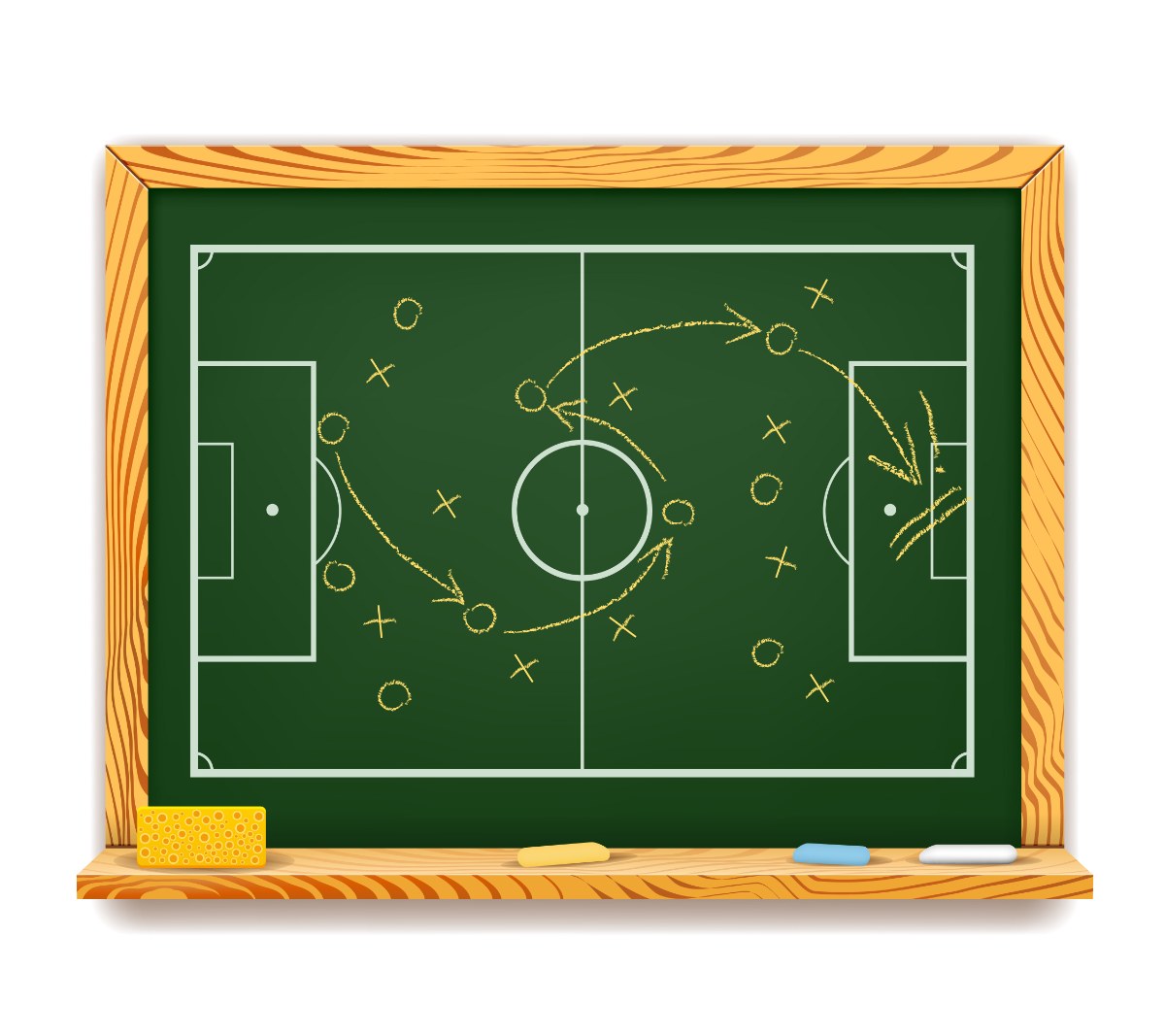
Indoor soccer is faster, more intense and more tactical than the outdoor game. Because the field is smaller and there are fewer players, every decision matters. One wrong movement can leave your team exposed. One smart tactical change can completely change the game.
That is why choosing the right indoor soccer formation is one of the most important things you can do before kick-off.
Some teams need a defensive system that is difficult to break down. Other teams want an attacking shape that creates more chances and gives their best players freedom. The best indoor soccer formations depend on the number of players, the strengths of your team and the style you want to play.
Many players search for terms like “5v5 soccer formations”, “best 5 a side formation”, “indoor soccer tactics” or “7v7 soccer formations” because they want a simple answer. The truth is that there is no single perfect formation for every team. Different systems work better in different situations.
Before your next match, you can build and test your lineup here:
These pages help you test different ideas before the game and make it easier to decide which formation works best.Why Indoor Soccer Formations Matter
Indoor soccer is usually played on a smaller pitch, often with walls or very little space on the sides. Because of that, players have less time to think and less room to recover after making a mistake.
A poor formation creates several problems:
- Players stand too close together
- There is too much space between defense and attack
- The striker becomes isolated
- The team cannot keep possession
- Opponents find space too easily
A good formation helps your team:
- Stay compact in defense
- Create passing triangles in attack
- Keep the ball more easily
- Support the striker
- Defend counter-attacks
- Move quickly between defense and attack
That is why your team needs a clear formation before the game starts.
Best 5v5 Soccer Formations
5v5 is the most common type of indoor soccer. With only four outfield players, every player has to attack and defend.
The most popular 5v5 soccer formations are:
- 2-2
- 2-1-1
- 1-2-1
2-2 Formation
The 2-2 is the simplest and most balanced system.
- 2 defenders
- 2 attackers
Advantages of the 2-2 Formation
- Easy to understand
- Strong defensive shape
- Good against stronger teams
- Difficult to counter-attack against
Disadvantages of the 2-2 Formation
- Can leave a gap in midfield
- The attackers may become isolated
- Harder to keep possession
If your team struggles defensively, this is usually the best place to start.
2-1-1 Formation
The 2-1-1 is one of the best indoor soccer formations because it creates balance between attack and defense.
- 2 defenders
- 1 midfielder
- 1 striker
Why the 2-1-1 Works So Well
- Better passing options
- More support for the striker
- Easier to keep possession
- Strong balance across the field
- Helps the team press higher
For most teams, the 2-1-1 is the best 5v5 soccer formation overall.
It is balanced enough to defend well, but also attacking enough to create chances.
1-2-1 Formation
The 1-2-1 is a more attacking option.
- 1 defender
- 2 midfielders
- 1 striker
Why Teams Use the 1-2-1
- More possession
- More attacking support
- Better control in midfield
- Strong against defensive teams
Weaknesses of the 1-2-1
- Vulnerable to counter-attacks
- The single defender can become isolated
- Requires disciplined midfielders
However, it is not always the best 5 a side formation for beginners because it requires more movement and understanding.
Which 5v5 Formation Is Best?
The best 5 a side formation depends on your players.
- Best for beginners: 2-2
- Best overall: 2-1-1
- Best for attacking teams: 1-2-1
- Best for defensive teams: 2-2
The best 5 a side formation for most balanced teams is the 2-1-1.
Different 5 a side formations work for different teams. Some teams are better when they stay compact and defend. Others play better when they control possession.
Best 6v6 Soccer Formations
6v6 gives your team more tactical options because there are five outfield players.
The most common 6v6 soccer formations are:
- 2-2-1
- 3-1-1
- 1-3-1
2-2-1 Formation
The 2-2-1 is one of the best 6v6 soccer formations.
- 2 defenders
- 2 midfielders
- 1 striker
Why the 2-2-1 Is Effective
- Strong defensive structure
- More support in midfield
- Easier to attack and defend
- Good against most opponents
3-1-1 Formation
The 3-1-1 is more defensive.
- 3 defenders
- 1 midfielder
- 1 striker
Advantages of the 3-1-1
- Difficult to break down
- Strong against fast teams
- Great for defending a lead
1-3-1 Formation
The 1-3-1 is one of the most attacking 6v6 soccer formations.
- 1 defender
- 3 midfielders
- 1 striker
It is ideal if you need to score or if your team likes to keep the ball.
However, it can leave too much space behind the defender.
Best 7v7 Soccer Formations
7v7 is often played on a larger indoor field or on a small-sided outdoor pitch.
The most popular 7v7 soccer formations are:
- 2-3-1
- 3-2-1
- 2-1-2-1
2-3-1 Formation
The 2-3-1 is usually the best 7v7 soccer formation.
- 2 defenders
- 3 midfielders
- 1 striker
Why the 2-3-1 Works
- Strong midfield control
- Good defensive shape
- More passing options
- Easy to change during the game
3-2-1 Formation
The 3-2-1 is more defensive.
- 3 defenders
- 2 midfielders
- 1 striker
It is one of the best indoor soccer formations when you are protecting a lead.
2-1-2-1 Formation
The 2-1-2-1 is one of the most attacking 7v7 soccer formations.
- 2 defenders
- 1 holding midfielder
- 2 attacking midfielders
- 1 striker
This formation creates many chances but requires disciplined defenders.
Best Indoor Soccer Formation for Beginners
The best indoor soccer formation for beginners is usually:
- 5v5: 2-2
- 6v6: 2-2-1
- 7v7: 2-3-1
Beginners should avoid very attacking formations because they often leave too much space behind.
Best Defensive Indoor Soccer Formations
If your team concedes too many goals, use a more defensive shape.
- 5v5: 2-2
- 6v6: 3-1-1
- 7v7: 3-2-1
Defensive Tips
- Stay compact
- Do not chase the ball
- Keep at least one player behind the ball
- Force opponents wide
- Let one player press while others cover
Best Attacking Indoor Soccer Formations
If you need more goals, use a more attacking system.
- 5v5: 1-2-1
- 6v6: 1-3-1
- 7v7: 2-1-2-1
Attacking Tips
- Move constantly without the ball
- Use quick passing
- Rotate positions
- Create passing triangles
- Take shots early
How to Choose the Right Formation for Your Team
Not every team should use the same system.
Before choosing a formation, ask yourself:
- Does your team have quick defenders?
- Are your players technical or physical?
- Do you need more goals or more stability?
- Do you have one player who is much better than the others?
For example:
- In the 2-1-1, the best player should usually be the midfielder
- In the 2-3-1, the best player should often be one of the central midfielders
Player Roles in Indoor Soccer
Even the best indoor soccer formations fail if players do not understand their roles.
Defenders
Defenders should:
- Stay calm under pressure
- Start attacks from the back
- Cover space behind teammates
- Stay organized
Midfielders
Midfielders are often the most important players.
They need to:
- Help in defense
- Support the striker
- Move constantly
- Create attacks
Strikers
The striker should:
- Score goals
- Hold up the ball
- Make runs behind the defense
- Press defenders
Best Indoor Soccer Tactics Against Different Opponents
Against Defensive Teams
If the opponent sits deep, use more attacking formations.
- 5v5: 1-2-1
- 6v6: 1-3-1
- 7v7: 2-1-2-1
Against Fast Counter-Attacking Teams
If the opponent is dangerous on the counter-attack, use more defensive systems.
- 5v5: 2-2
- 6v6: 3-1-1
- 7v7: 3-2-1
Against Teams That Control Midfield
If the opponent dominates the center, add more midfielders.
For example:
- Switch from 2-2 to 2-1-1 in 5v5
- Switch from 3-2-1 to 2-3-1 in 7v7
Pressing Tactics in Indoor Soccer
Because the field is smaller, pressing is very important.
High Press
A high press means trying to win the ball near the opponent’s goal.
Best formations for a high press:
- 1-2-1
- 1-3-1
- 2-1-2-1
Mid-Block
A mid-block means defending in the middle of the field.
Best formations for a mid-block:
- 2-1-1
- 2-2-1
- 2-3-1
Low Block
A low block means defending near your own goal.
Best formations for a low block:
- 2-2
- 3-1-1
- 3-2-1
Common Indoor Soccer Mistakes
Many teams use the wrong formation or do not understand how to use it.
The most common mistakes are:
- Everyone follows the ball
- Nobody stays back to defend
- Players stand still
- The striker becomes isolated
- The formation does not suit the players
How to Change Formation During the Match
The best teams change formation when necessary.
For example:
- If you are losing in 5v5, move from 2-2 to 1-2-1
- If you are winning, move from 1-2-1 to 2-2
- In 7v7, switch from 2-3-1 to 3-2-1 to protect a lead
Build Your Indoor Soccer Lineup Online
Before your next match, test different systems online.
Try these pages:
Testing different 5 a side formations before the game helps every player understand where they should stand.