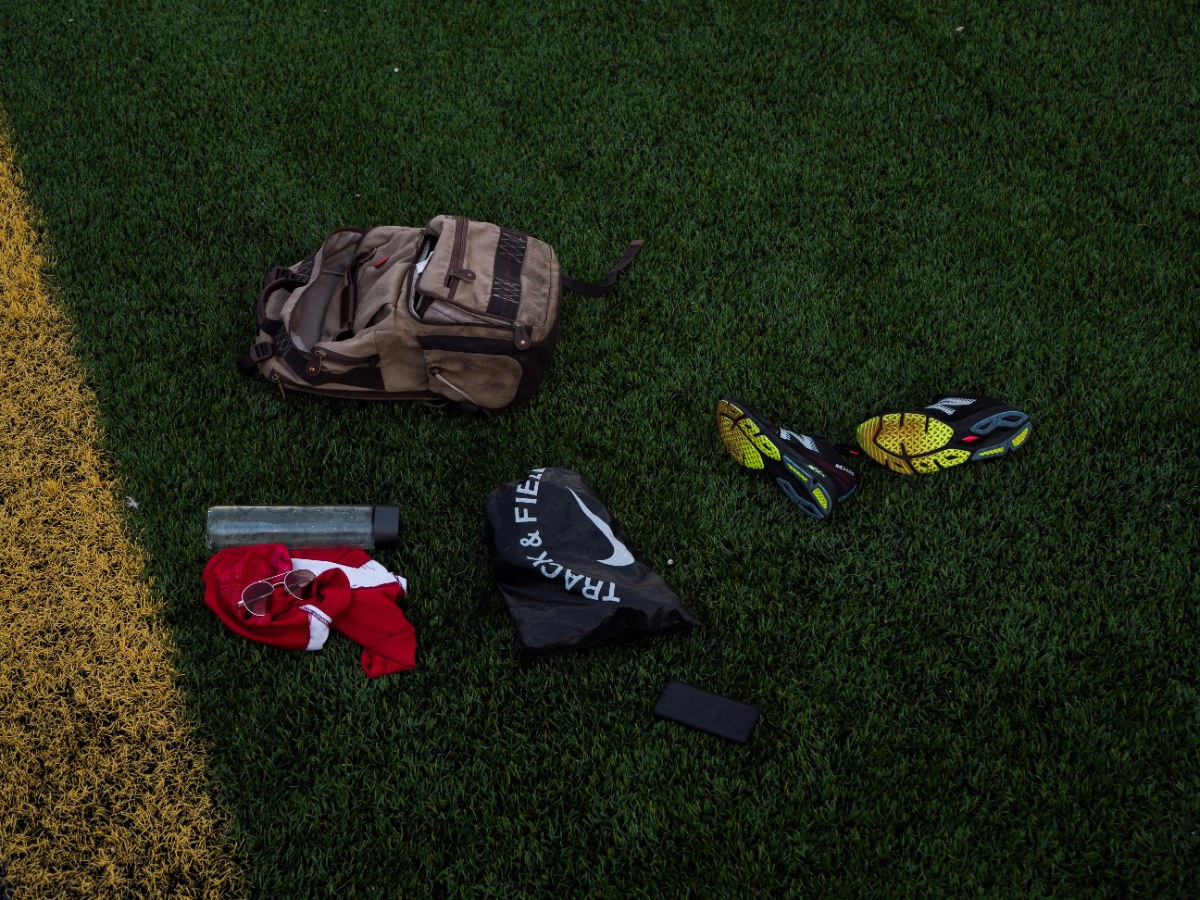
Indoor soccer is one of the fastest versions of football. Whether you play 5-a-side, futsal or indoor turf soccer, the game feels very different from outdoor football. The pitch is smaller, the ball moves faster and you have less time to react.
That is why having the right indoor soccer equipment matters so much. But indoor only tells you where you play. It does not tell you what surface is under your feet or which rules your game follows, and those two things decide most of your gear.
Many players make the mistake of wearing whatever boots they own or bringing random football gear to an indoor match. That can leave you without the traction your surface calls for and make the game uncomfortable.
This guide follows four steps:
- Identify your surface and your game format
- Choose the right sole for that surface
- Choose the right ball for that format
- Pack your match bag
If you want formation ideas as well as equipment recommendations, read our best 5v5 football formations guide, our 7v7 soccer formations guide, or create your team instantly with the free TactixSquad lineup builder.
Why Indoor Soccer Equipment Matters
In small-sided games, players sprint, stop and turn constantly. The surface is different from grass, the ball behaves differently and your shoes need to work differently.
If you use equipment that does not match your surface or format, you may experience:
- Shoes that do not give the traction they were designed for
- A ball that does not suit the game
- Uncomfortable movement
Step 1: Know Your Surface and Your Game Format
Before you buy anything, answer two separate questions:
- What surface do you play on?
- Which rules does your game follow?
Common Surfaces
- Artificial turf: Many 5-a-side and small-sided venues use turf, indoors or outdoors. A roof over the pitch does not change the surface. Older, shorter and firmer turf and modern 3G/4G turf may call for different soles.
- Hard indoor court: Sports hall floors such as wood or synthetic hard courts. Manufacturers make a separate indoor sole for them.
- Natural grass: The surface traditional cleats are made for.
Common Game Formats
- Futsal: A distinct format with its own FIFA Futsal Laws of the Game. Law 1 asks for a flat, smooth, non-abrasive surface, preferably wood; artificial turf is allowed only in exceptional cases, in domestic competitions, if the competition rules say so. The Laws also specify the ball and compulsory equipment.
- 5-a-side and small-sided leagues: Often played on artificial turf. The league or venue sets its own rules, including ball size and footwear restrictions.
- Casual indoor games: The rules are whatever the organizer or venue decides.
If you are unsure, ask the venue or organizer before you play: What is the surface? Which ball do you use? Are shin guards required? Are studs allowed?
Step 2: Choose the Right Sole for Your Surface
The most important item in any indoor soccer equipment guide is your footwear, and the right pair depends on the surface, not on whether the venue has a roof.
Many players wear their usual outdoor boots for 5-a-side without checking the pitch. Firm ground boots are made first for natural grass. Nike says its firm ground plates also suit most artificial turf, but it recommends a turf sole for older, shorter and firmer artificial pitches, including that kind of turf at small-sided indoor facilities, and an indoor sole for hard courts. Some venues do not allow studs at all.
Indoor Soccer Shoes vs Turf Shoes vs Outdoor Cleats
Manufacturers usually group football footwear by surface. Nike's shoe guide, for example, uses the categories below. The abbreviations are common labels, and label use can vary between brands, so also check which surface each product is recommended for.
Firm Ground Cleats (FG)
- Best surface: Natural grass kept short and dry or slightly damp
- On turf: Nike says its FG plates suit most artificial turf; check your boot's guidance and the venue rules
Artificial Ground Boots (AG)
- Best surface: Modern 3G and 4G artificial pitches
- Use them when: The manufacturer recommends them for your turf and the venue allows them
Turf Shoes (TF)
- Best surface: Older artificial pitches that are shorter and firmer than modern 3G/4G turf, including that kind of turf at small-sided indoor facilities
- On hard courts: Choose an indoor sole instead
Indoor Soccer Shoes (IN / IC)
- Best surface: Hard indoor courts, including hard futsal courts
- On artificial turf: Choose TF or the sole the manufacturer recommends instead
Which Shoes Should You Choose?
If you play on:
- Older, shorter and firmer artificial turf (including at a small-sided indoor facility) → choose turf shoes
- Modern 3G/4G turf → the sole the manufacturer recommends for that turf (AG, or FG where the maker says it suits turf), depending on venue rules
- Hard court, including hard-court futsal → choose indoor soccer shoes
- Futsal on artificial turf (allowed only in exceptional cases) → the sole for that turf, as above, depending on venue rules
- Natural grass → choose firm ground cleats (soft ground on muddy pitches)
Turf shoes and indoor soccer shoes are not the same product. Each sole is designed for its own surface. If you regularly play on both turf and hard courts, you may need two pairs.
Features of the Best Indoor Soccer Shoes
Whatever the sole, the best indoor soccer shoes usually have:
- A sole made for your surface
- Lightweight design
- An upper that feels comfortable on the ball
- A fit around the ankle that feels secure to you
- Comfortable fit
The Best 5-a-Side Football Boots
Small-sided football involves quick movement in tight spaces. The best 5 a side football boots should include:
- A flexible sole
- A low profile
- A sole made for your surface
- Lightweight construction
Step 3: Choose the Right Ball for Your Game Format
The second most important piece of indoor soccer equipment is the ball. The right ball depends on the rules of your game, not on the building or the floor you play on.
Futsal
The FIFA Futsal Laws of the Game 2025-26 (effective from 5 September 2025), Law 2, specify a ball with a circumference of 62–64 cm and a weight of 400–440 g at the start of the match. Dropped from 2 m, its first rebound must be no lower than 50 cm and no higher than 65 cm. Shops label balls with size numbers, but those numbers are not in the Laws, so check the circumference on the product.
5-a-Side and Small-Sided Leagues
Small-sided leagues and venues set their own ball rules, whether they play on turf or on a hard court. Ask which ball they use and check its circumference before you buy.
Youth Football
Both the IFAB Laws and the futsal Laws let national associations change the size, weight and material of the ball for youth, veterans', disability and grassroots football. Your association, league or organizer sets the ball and the age limits.
Futsal Ball vs Soccer Ball
Many beginners do not understand the difference between a futsal ball and a normal soccer ball.
A futsal ball:
- Has a circumference of 62–64 cm and weighs 400–440 g
- Must pass the futsal bounce test: 50–65 cm on the first rebound from 2 m
- Is the ball specified for futsal
- Has a circumference of 68–70 cm and weighs 410–450 g under IFAB Law 2
- Is not held to the futsal bounce test, which belongs to the futsal Laws
- Is the ball used in standard football on grass and artificial turf
If you play futsal, use a futsal ball. For any other game, whether on a hard court or on turf, use the ball your league, venue or organizer specifies.
What Makes a Good Indoor Soccer Ball?
- The right size for your format
- Suitable for your surface
- Inflated to the right pressure (the Laws allow 0.6–1.1 atm for football and 0.6–0.9 atm for futsal)
- Durable
- Comfortable for you to play with
Shin Guards, Indoor Soccer Socks and Grip Socks
Small-sided games can involve frequent close challenges because there is less space, so protection matters.
Do You Need Shin Guards?
Shin guards are compulsory equipment under both the IFAB Laws of the Game (Law 4.2) and the FIFA Futsal Laws of the Game (Law 4.2). Both require them to be made of a suitable material, of an appropriate size to provide reasonable protection, and covered by the socks; players are responsible for their size and suitability. Recreational leagues and venues set their own rules, but the same reasoning applies if you choose to wear them there.
The best shin guards for indoor soccer are usually:
- Lightweight
- Slim
- Comfortable
- Big enough to give reasonable protection
- Easy to wear inside long socks
Why Indoor Soccer Socks Matter
Indoor soccer socks help keep your shin guards in place and make your shoes more comfortable.
The best indoor soccer socks should be:
- Long enough to cover shin guards, as both rulebooks require
- Comfortable
- Breathable
- Tight enough to stay in place
Are Grip Socks Worth It?
Grip socks have become a popular accessory. They have rubber sections on the sole.
How much they help is a matter of personal feel: some players like the extra hold inside the shoe, while others notice little change.
Grip socks are not necessary for beginners. Try one pair before buying several.
Best Clothing for Indoor Soccer
Indoor soccer is intense and you can sweat a lot, especially in warm sports halls.
The best indoor soccer clothing should include:
- Lightweight shirt
- Breathable shorts
- Long socks
- Compression layer in winter
- Compression shorts
- Base layers
- Lightweight jackets before the match
Goalkeeper Equipment for Indoor Soccer
Goalkeepers need special equipment because indoor games often involve close-range shots and dives on firm surfaces.
The most important goalkeeper equipment includes:
- Goalkeeper gloves for indoor soccer
- Padded shorts
- Long-sleeve shirt
- Knee protection
- Compression leggings
Best Goalkeeper Gloves for Indoor Soccer
Glove choice is largely personal, so try a few pairs before you buy.
When comparing goalkeeper gloves for indoor soccer, look for:
- A palm that feels secure on the ball
- Wrist support you are comfortable with
- Comfortable fit
- A padding level that suits you
Step 4: Pack Your Match Bag
If you play regularly, this is a practical 5 a side football equipment checklist for your bag:
- Shoes for your surface (see Step 2)
- Indoor soccer socks
- Shin guards
- Lightweight shirt
- Shorts
- A ball that matches your format, if you are bringing one
- Water bottle
- Towel
- Spare shirt and socks
- Sports bag
- Grip socks
- Goalkeeper gloves
- Agility ladder
- Training cones
- Rebounder
- Compression shorts
Indoor Soccer Training Equipment
If you want to improve your game, you need more than just shoes and a ball.
Indoor soccer training equipment helps you work on:
- Speed
- Agility
- Ball control
- Passing
- Shooting
Cones
Cones are one of the most useful pieces of indoor soccer training equipment.
You can use cones for:
- Dribbling drills
- Passing drills
- Speed training
- Agility exercises
Agility Ladder
An agility ladder is useful for practising:
- Foot speed
- Coordination
- Quick movement
- Balance
Rebounder
A rebounder is a handy training tool if you practise alone.
A soccer rebounder lets you practise:
- First touch
- Passing accuracy
- Reactions
- Ball control
Mini Goals
Mini goals are excellent if you want to create your own 5-a-side practice session.
You can use mini goals in:
- The garden
- The park
- Indoor training sessions
Resistance Bands
Resistance bands are useful before matches and training sessions.
You can use them for:
- Warm-up
- Mobility
- Strength work
- Activation before you play
Indoor Soccer Equipment for Beginners
If you are new to indoor soccer, you do not need to spend a lot of money immediately.
The best indoor soccer equipment for beginners is simple.
You only need:
- Shoes for your surface (see Step 2)
- Shin guards
- Long socks
- Shirt and shorts
- A ball that matches your format
Many beginners spend too much money too quickly. You do not need expensive grip socks, premium goalkeeper gloves or advanced training gear immediately.
Once you play more often, you can upgrade your equipment.
More advanced players often buy:
- Grip socks for soccer
- Better shoes for their main surface
- Extra balls for their format
- Training cones
- Agility ladder
- Goalkeeper gloves
Best Indoor Soccer Equipment by Position
Different positions need slightly different equipment.
Best Equipment for Defenders
Defenders usually need:
- Shoes made for their surface
- Comfortable shin guards
- Durable socks
Best Equipment for Midfielders
Midfielders are often involved in most of the passing.
The best equipment for midfielders includes:
- Lightweight shoes for their surface
- Thin shin guards
- A futsal ball for close-control training, if it suits your sessions
Best Equipment for Forwards
Forwards rely on speed and quick shooting.
The best equipment for forwards includes:
- Lightweight shoes for their surface
- Grip socks, if they like the feel
- Flexible footwear
Best Equipment for Goalkeepers
Goalkeepers should focus on:
- Goalkeeper gloves for indoor soccer
- Padded clothing
- Shoes made for their surface
Common Indoor Soccer Equipment Mistakes
Many players waste money by buying the wrong gear.
Wearing Outdoor Cleats Indoors
Firm ground boots are made first for natural grass. Nike says its FG plates suit most artificial turf, but not every venue allows studs, and on a hard court you need an indoor sole. Check the pitch type and the venue rules first.
Treating Every Indoor Venue as Futsal
An indoor venue can have artificial turf or a hard court, and a hard-court game can follow its own local rules. Check the surface and the rules before you buy futsal shoes or a futsal ball.
Using the Wrong Ball
A ball that does not match your format makes the game harder. Futsal calls for a 62–64 cm ball with a limited bounce. For other games, follow your league or venue.
Buying Shin Guards That Do Not Fit
Shin guards should give reasonable protection and stay covered by your socks. Ones that do not fit can feel uncomfortable and get in the way.
Choosing Shoes That Do Not Match the Surface
A sole that does not match your surface may not give the traction it was designed for, and a worn sole may no longer give it either. Choose turf shoes for older, shorter and firmer artificial turf, the manufacturer's recommendation for modern 3G/4G turf, and indoor soccer shoes for hard courts, whatever the venue is called.
Spending Too Much Too Early
You do not need the most expensive indoor soccer equipment when you are just starting.
How Much Does Indoor Soccer Equipment Cost?
Prices vary widely by country, retailer, brand and season, so this guide does not quote fixed figures. Compare current prices at local shops before you buy, and use these principles to plan your budget:
- Shoes for your surface are often the largest single item, and the one most worth getting right.
- Shin guards, long socks, a shirt and shorts complete the basics.
- A ball is only needed if you bring your own, so check whether your venue or organizer provides one.
- Entry-level versions of each item are enough to start; upgrade once you know how often and where you play.
- Premium shoes
- Goalkeeper gloves for indoor soccer
- Grip socks for soccer
- Indoor soccer training equipment
- A rebounder
- Training cones
- Compression clothing
Ready to Build Your Team?
Having the right shoes, ball and shin guards is important, but your tactics matter too.
If you want formation ideas as well as equipment recommendations, read our best 5v5 football formations guide and our 7v7 soccer formations guide.
You can also create your team instantly with the free TactixSquad lineup builder.
Whether you play 5-a-side, 7v7 or full-size football, TactixSquad helps you build your lineup, test different formations and share your team before kick-off.
Final Thoughts
The best indoor soccer equipment does not need to be expensive. The most important thing is matching your gear to your surface and your game format.
For most players, the best place to start is with:
- Shoes that match your surface
- A ball that matches your format
- Comfortable shin guards
- Proper indoor soccer socks
Whether you play futsal, 5-a-side or indoor turf soccer, the right indoor soccer equipment will help you play more comfortably and with more confidence.